ASA: Attraction Tickets price-match ad needed ABTA/ABTOT limit
The ASA found a Google ad saying 'Find A Lower Price & We'll Match It' misleading because the ABTA/ABTOT limit sat at least two clicks away. Character limits did not excuse it.


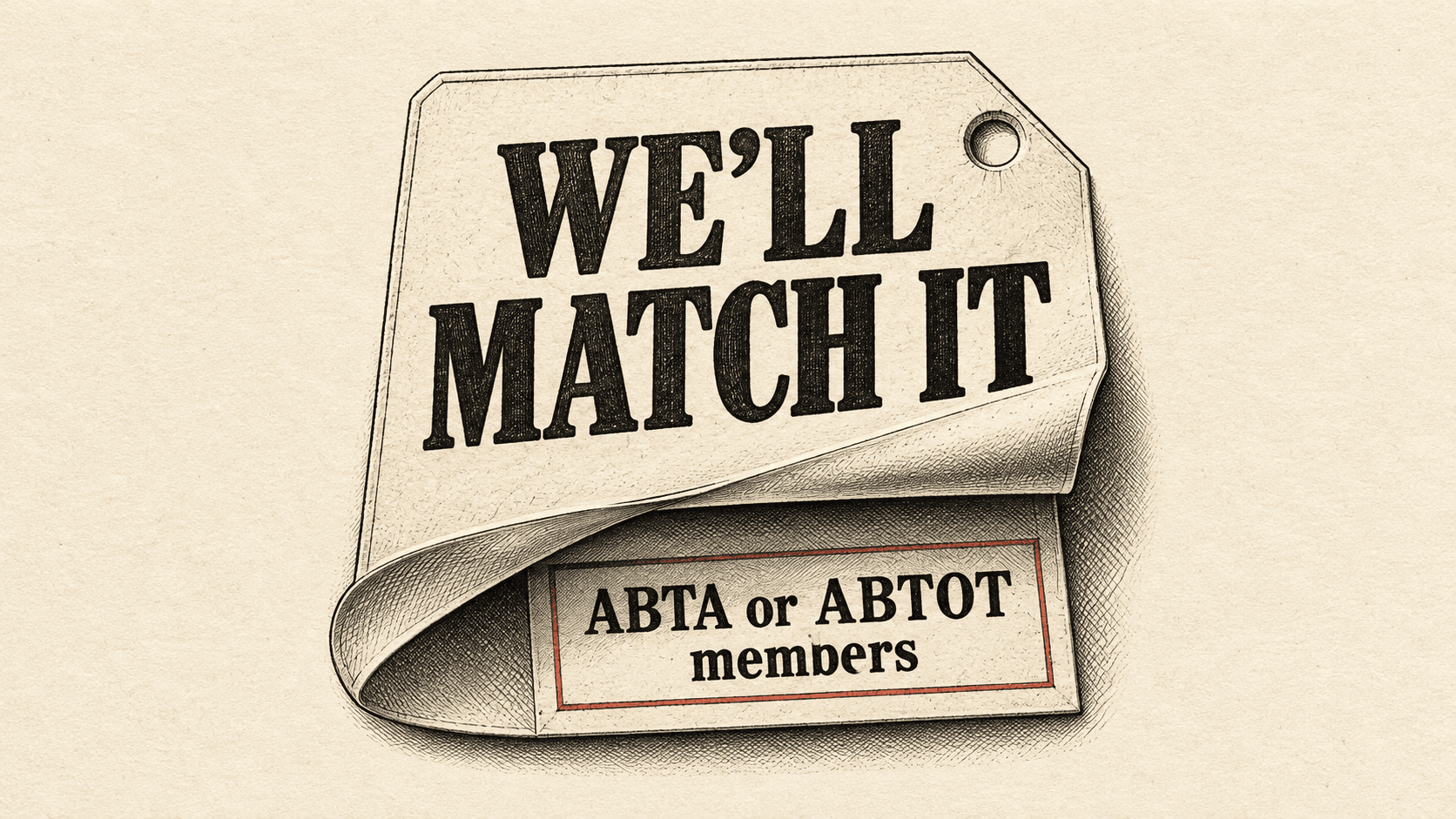
If your search ads carry a price promise or a guarantee, the significant limitations on that promise have to be in the ad. On 28 October 2026 the ASA published a ruling on Attraction Tickets Ltd t/a Attraction Tickets, finding that a paid Google ad reading "Find A Lower Price & We'll Match It" was misleading, because the match only applied to lower prices from ABTA or ABTOT members. The advertiser's argument that Google's character limits left no room was not accepted.
What changed
This is a ruling under existing rules, not a new rule. Nothing in the ASA's published ruling describes a change to the CAP Code or to Google's ad formats.
The ad. The ASA ruled on a paid-for Google ad for Attraction Tickets, an online seller of theme-park, sight-seeing and excursion tickets. The ad was seen on 19 August 2026. A complainant challenged whether the claim was misleading because it only applied to prices charged by ABTA and ABTOT members.
The advertiser's defence. Attraction Tickets said the price promise was subject to several terms and conditions, including the requirement that the lower-priced ticket was available from an ABTA or ABTOT member. It said the vast majority of travel companies were members of a regulatory body, so it did not view the requirement as onerous. It said the full terms were set out on the relevant page of its website, and that for paid search it worked within Google's strict character limits, which restricted the detail it could include. It also pointed to the CAP Code's recognition that time or space limits in a medium should be considered, along with the steps advertisers take to provide the information by other means.
What the ASA decided. The ASA said consumers would understand from the claim that any lower-priced ticket would be matched without exception. It called the ABTA or ABTOT restriction "significant information" likely to affect consumers' understanding of the claim. The terms page was at least two clicks away from the ad, and consumers would only have seen the restrictions by clicking from the landing page through to another page and reading it, which was not a necessary step before buying tickets.
The ASA considered the restriction "a significant qualification that should have been included in the ad itself". It also said the ad was not limited by time or space to such an extent that the information could not have been provided. It concluded the claim was misleading and that the ad breached CAP Code (Edition 12) rules 3.1 and 3.3 (Misleading advertising) and 3.9 (Qualifications).
Already removed. Attraction Tickets recognised the concern and, as a precaution, had removed the wording from its paid search advertising pending the outcome of the investigation.

What this means for specialists
The useful part is the reasoning on the landing page. A qualification explained on the site, even clearly, did not rescue an ad whose headline claim was unqualified. The ASA looked at what a consumer would have to do to find the limit, and a route that was not a necessary step before buying did not count.
The second point is the space argument. The advertiser described Google's character limits as strict, and the ASA still found the ad was not so constrained that the qualification could not have been included. In practice that puts the burden on whoever writes the headlines and descriptions: if a claim needs a qualifier, the qualifier has to be fitted into the copy, even if that means a shorter or less punchy claim.
The ruling does not say which ad format or asset carried the wording, and it does not discuss assets such as sitelinks or callouts. Do not read it as a ruling about any one Google Ads format. The test applied was whether the ad itself carried the significant qualification.
The advertiser's point that most travel companies are regulated and the limit was not onerous also carried no weight in the outcome as reported. How common or reasonable a restriction is does not change whether it needs to be stated.
Agencies should also note that the ruling lists the agency as unconfirmed, so no agency was named in it. Where an agency writes the copy, the same exposure sits in the approval process between copywriter and client.
What to do this week
- Review your paid search ads for price promises and list any claims qualified only on your website.
- For each claim on that list, open the terms page and write down every condition. Mark any condition a consumer could reasonably say changes what the claim means, as the ABTA or ABTOT limit did here.
- Do not count a landing page or terms page as meeting the requirement. The ASA said this qualification should have been in the ad itself, and noted that reading the terms page was not a necessary step before buying.
- Where a significant condition exists, rewrite the copy so the qualifier appears in the ad text itself. If it will not fit, soften or drop the claim rather than relying on the landing page.
- Add a line to your ad approval checklist asking what limits apply to the claim, and whether every significant limitation is stated in the ad.
- Keep a record of any claim you pull during a review, with the date, so that you can show what was live and when.
What we do not know yet
- The ruling as published does not state any further action against the advertiser beyond the finding of breach. It does not say whether the wording has since returned.
- It does not say which Google ad format carried the claim, the character counts involved, or how the qualifier could have been worded to fit.
- It does not say how the ASA would treat a shorter qualifier in a description line compared with the headline.
- It does not say how "significant" will be judged for other claims, such as guarantees or "from" prices, beyond this price match.
- It gives no indication of whether the ASA is running any wider review of price promises in paid search.
Sources & Further Reading
- CAP: Attraction Tickets Ltd - ASAhttps://www.asa.org.uk/rulings/attraction-tickets-ltd.html