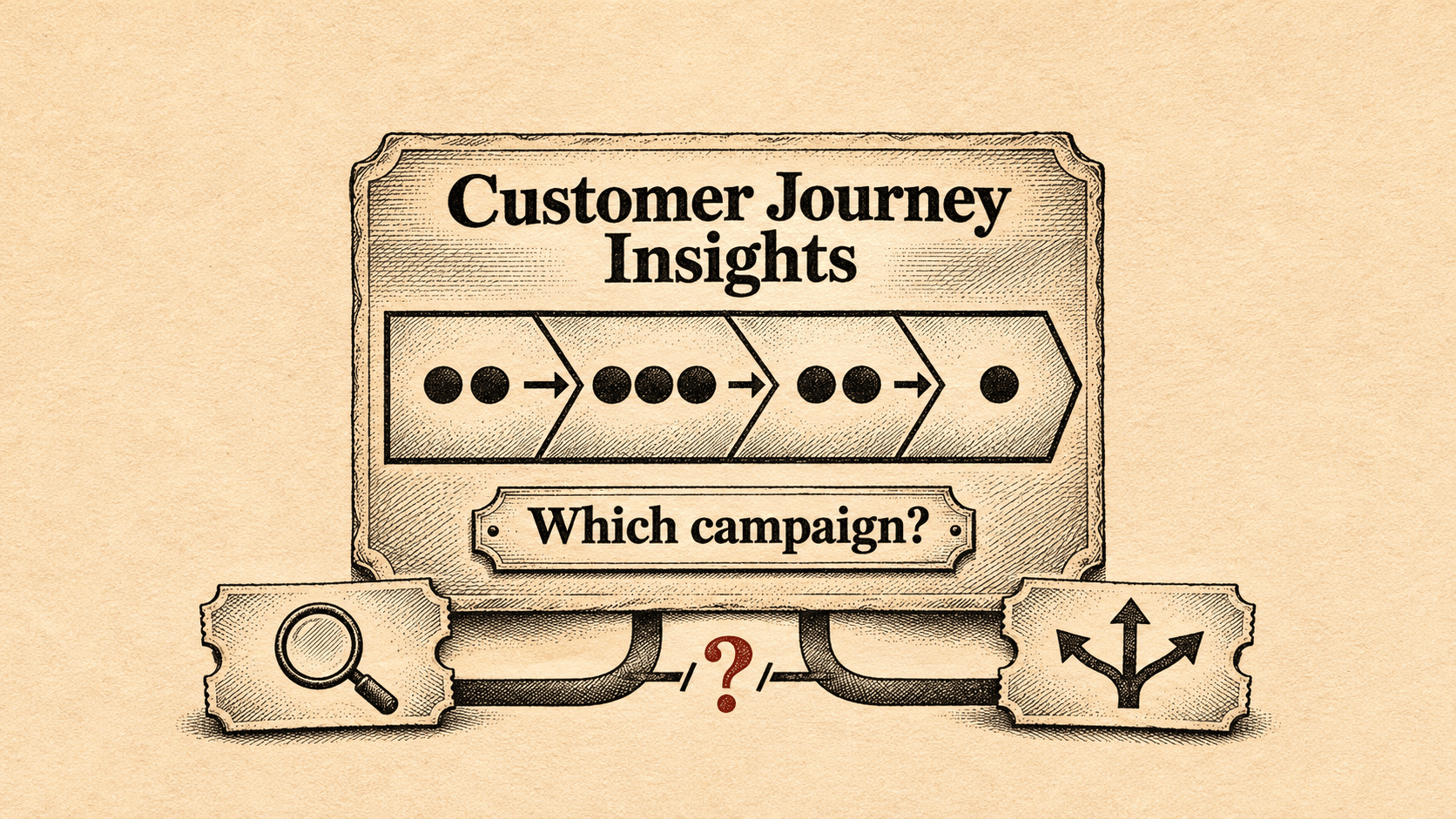
User-based Conversion Lift: Google's eligibility and data rules
Google's setup page for user-based Conversion Lift sets a 1,000 observed conversion minimum and a $5,000 USD budget, and rules out click-ID-only offline imports. Check tracking first.

Google's help page "Set up Conversion Lift based on users" lists a minimum of 1,000 observed conversions, a minimum campaign budget of $5,000 USD and data requirements that rule out common offline import setups. The page is undated and does not show what changed, so this piece reports what it says when read on 14 November 2026. Google's separate About Conversion Lift page describes a geography-based study type as well; this piece covers the user-based one.
What changed
The sources do not show which lines are new, so what follows is the current state of Google's Help pages, not a change log.
Access. Google Ads Help says: "Conversion Lift isn’t available for all Google Ads accounts. To use Conversion Lift, contact your Google account representative." For new campaign types in alpha or beta phase, the page also says to ask the account representative about eligibility.
Account and campaign thresholds (as listed now).
- At least 1,000 observed conversions. Conversions with supplementary data do not count towards that minimum.
- A minimum campaign budget of $5,000 USD.
- At least one conversion action compatible with Conversion Lift.
- Supported campaign types: Display, Search, Video, Demand Gen, App campaigns and Performance Max. App campaigns targeted at iOS and Travel Ads are not supported.
- A campaign can sit in only one study at a time, whether Brand Lift, Search Lift or Conversion Lift.
Study settings. Studies are created under Campaigns > Experiments, in the Lift studies tab. The holdback can be set from 1% to 50%. Studies running alongside Brand Lift and Search Lift must keep a 30% holdback. A study can run for as little as 7 days; Google recommends more than 14. Google says studies with a long conversion lag that run for under 14 days can see up to a 17% drop in Absolute Lift. Study power is shown as a range from 50% to 95% in 5% steps, and below 90% the tool gives budget guidance.
Data requirements. The page flags enhanced conversions, advanced consent mode and Google tag gateway as things to implement before launch. Its checks cover hashing and formatting of user-provided data, transaction IDs matching between the website tag and the API, and API uploads made within 24 hours of the conversion.
The consent rule is stated two ways. The data readiness section says advanced consent mode applies "only for EEA targeting campaigns". The consent mode table says a web conversion action without advanced consent mode, while campaigns target EEA, UK and DMA regions, is flagged, and that basic consent mode is insufficient. For web conversion actions, Google's consent table calls for advanced consent mode (v2) when campaigns target EEA, UK or DMA regions. Treat the wider wording as the safer reading.
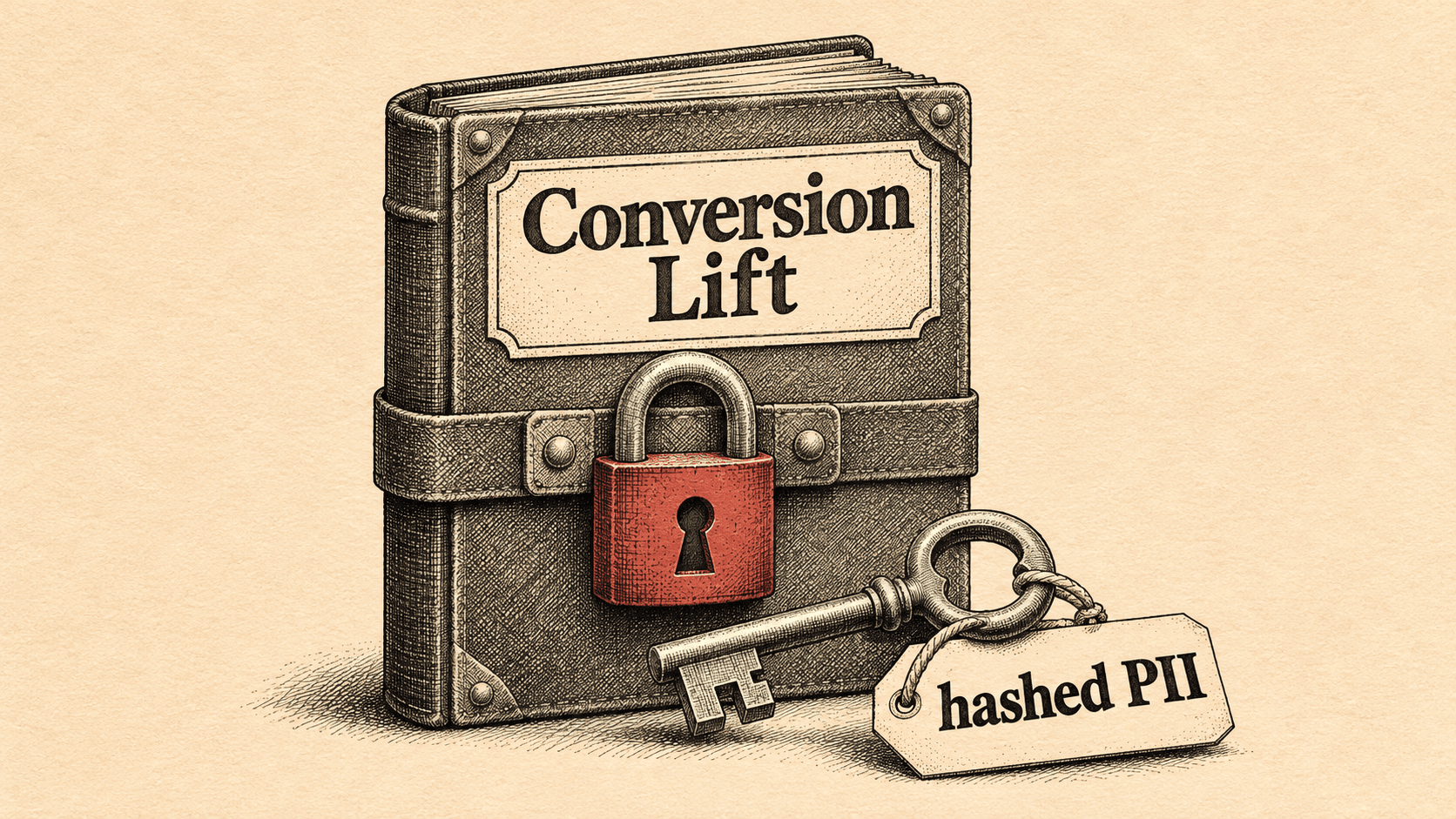
Unsupported setups. Google lists these as not working, even if diagnostics show "Good": click-ID-only (GCLID, GBRAID or WBRAID) offline imports without hashed PII; web conversions imported from Google Analytics; custom variables on enhanced conversions for leads uploads; and importing BRAID together with PII, which stops the PII being used at all.
Already live. Since 14 April 2026, eligible Demand Gen studies include "Delayed Incremental Conversion", also called "Cooldown". It applies automatically to Demand Gen only studies that started on or after 2 March 2026, and results appear after the study finishes. By default the report includes projected cool-down conversions.

What this means for specialists
The first hurdle is access, and the second is data. The thresholds are easy to read off an account. The data checks are where studies are more likely to stall, because Google says user-based Conversion Lift needs hashed customer data to measure holdout users and ignores other identifiers such as IP address, device data or session attributes.
For lead generation accounts this matters most. An offline import that carries only a click ID cannot be used, because the control group is not served an ad to click on. If that is how your CRM data comes back, the import needs upgrading to enhanced conversions for leads with hashed PII, via the Data Manager API or Data Manager page.
If you run web conversion actions in the EEA, UK or DMA regions, consent setup is a study requirement. For web conversion actions, Google's consent table calls for advanced consent mode (v2) when campaigns target EEA, UK or DMA regions, and its page says basic consent mode is insufficient for Conversion Lift.
Campaign selection also affects what you learn. Google says measuring only a subset of campaigns reduces the chance of detecting lift, because holdback users might still see unmeasured ads. Its guidance is to include all campaigns that share the same type, audience and targeting strategy.
On reading results, Google's certainty of lift page says results below 50% are reported as "no lift", which does not necessarily mean the ads were ineffective. Results from 50% to 90% are directional, and Google says to set your own bar based on business needs and risk tolerance.
What to do this week
- Open Goals > Conversions > Summary > Diagnostics and read the Conversion Lift checks for web actions, including tag pings missing user-provided data and the em parameter.
- Open Goals > Conversions > Settings and confirm the account-level Customer data terms are accepted.
- Check how offline conversions are imported. If rows carry only a GCLID, GBRAID or WBRAID, plan the move to hashed PII, and do not import BRAIDs for actions you want in a study.
- If any campaign targets EEA, UK or DMA regions, confirm the web conversion action uses advanced consent mode (v2) rather than basic.
- Check that web and app conversions are not sent to the same conversion action. Google says Conversion Lift drops all data when it detects multiple sources.
- If you want iROAS, check that conversion actions pass a transaction-specific value and a valid ISO currency code, not "Don't use a value".
- Compare your observed conversions and planned campaign budget with the 1,000 and $5,000 USD thresholds, then ask your Google account representative about access.
What we do not know yet
- What changed on the page. It is undated and the sources do not show earlier versions.
- Which accounts qualify for access. Google says only to contact your account representative, and gives no criteria or markets.
- Whether the consent requirement for web conversion actions covers the UK and DMA regions in every case, given the two different wordings on the same page.
- When any further changes will arrive. The sources name no planned dates.
- How Google currently counts "observed" conversions for the 1,000 minimum beyond excluding conversions with supplementary data.
Sources & Further Reading
- support.google.com: Set up Conversion Lift based on users - Google Ads Helphttps://support.google.com/google-ads/answer/12005564?hl=en
- support.google.com: About Conversion Lift - Google Ads Helphttps://support.google.com/google-ads/answer/12003020
- support.google.com: About certainty of lift - Google Ads Helphttps://support.google.com/google-ads/answer/14744837
- support.google.com: Set up Conversion Lift based on users - Google Ads Helphttps://support.google.com/google-ads/answer/12005564